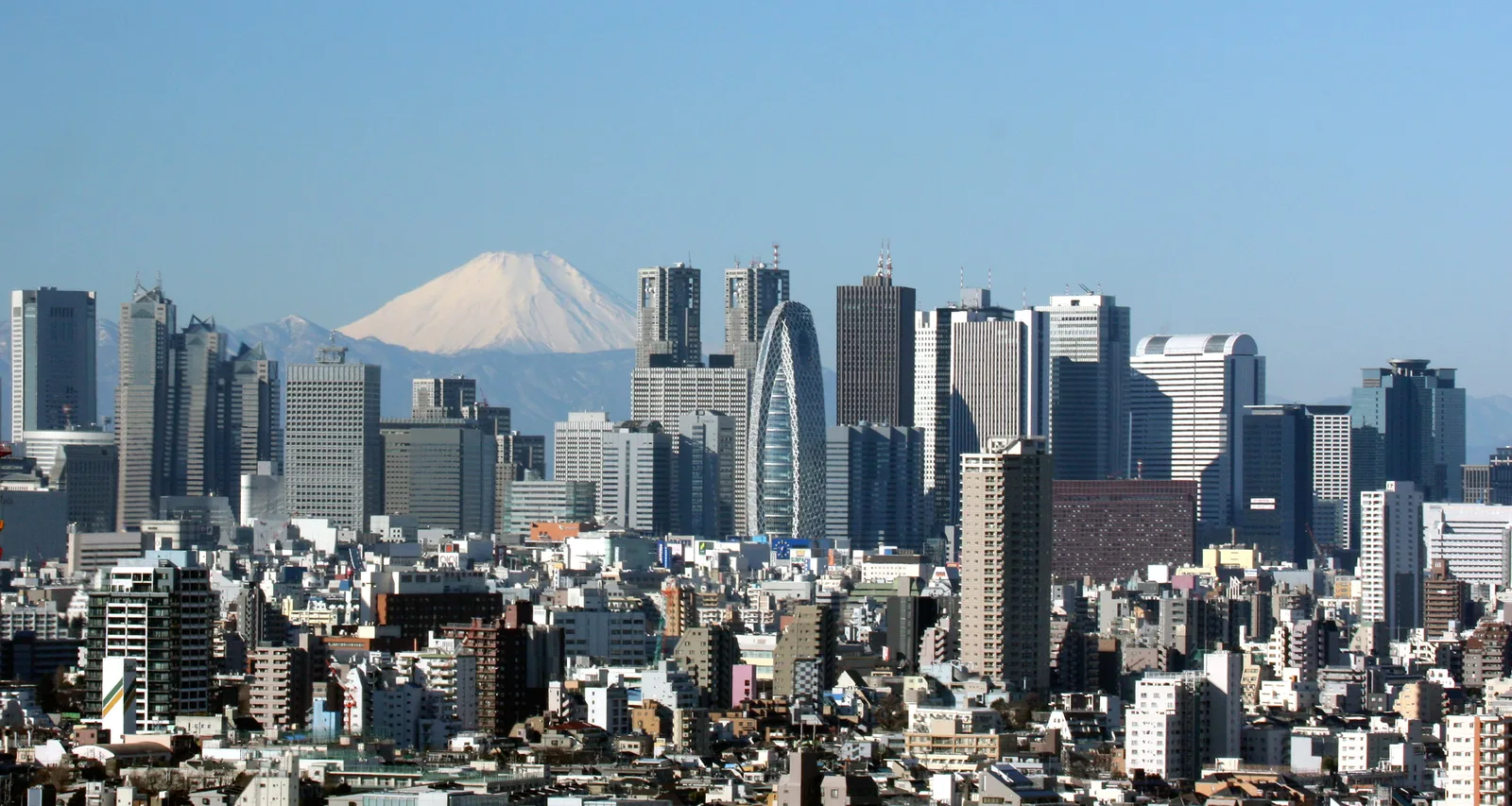
When Japan closes for New Year
Shogatsu, the New Year holiday, is the one week Japan really stops. Government offices close from December 29 to January 3, and much of the country follows the same window. Families go home, small restaurants put up a notice, and museums and palaces close for anywhere from four days to a week. January 1 is the quietest day: in 2027 it is a Friday, followed by a weekend, so many businesses do not reopen until Monday, January 4.
What stays open is the infrastructure of daily life: convenience stores, trains, big hotels, most chain restaurants and the shrines, which are the point of the holiday. Planning comes down to putting palaces and museums before December 26 or after January 4, and spending January 1 on the things that never close.
Closure dates for named sights, 2026 to 2027
From each operator’s own page on November 13, 2026:
| Sight | Closed | Notes |
|---|---|---|
| Tokyo National Museum, Ueno | December 26 to 31 | Only the Horyu-ji Treasures Gallery and Kuroda Memorial Hall open December 22 to 25; open January 1, noon to 8 p.m. |
| Nijo Castle, Kyoto | December 29 to 31 | Ninomaru and Honmaru palace buildings also closed December 26 to 28 and January 1 to 3; grounds open January 1 |
| Kyoto Imperial Palace | December 28 to January 4 | Also closed Mondays; no booking needed |
| Osaka Castle Main Tower | Not posted when we checked | Has closed around December 28 to January 1 in past years |
Tokyo National Museum is the surprise: it closes for the last week of December but opens on New Year’s Day itself, from noon to 8 p.m. Nijo Castle is split: the castle grounds are open on January 1 to 3, but the Ninomaru Palace, the building with the painted screens most people come for, is closed on those days and on December 26 to 28. The Kyoto Imperial Palace has the longest break, December 28 to January 4. Osaka Castle’s own site did not list its 2026 dates when we checked, so treat the main tower as closed from about December 28 to January 1 and check the official site in December.
What stays open
Convenience stores (7-Eleven, Lawson, FamilyMart) stay open around the clock, and on January 1 they are where you buy breakfast, onigiri, hot drinks and cash.
Shrines and temples are open and busy. Hatsumode, the first shrine visit of the year, puts millions of people through Meiji Jingu in Tokyo, Fushimi Inari and Yasaka in Kyoto and Sumiyoshi Taisha in Osaka from midnight on January 1 through January 3; see Meiji Jingu at New Year for crowd times. Temples ring their bells at midnight on December 31.
Department stores mostly close on January 1 and reopen on January 2 with the first sale and fukubukuro, sealed lucky bags with more inside than the price. Lines form before opening at the big stores. Hours vary by store, so check the store’s own page.
Chain restaurants, ramen counters in stations and hotel restaurants mostly open. Family-run restaurants and the small places on a Kyoto food list are the ones most likely to be shut from December 30 to January 3.
Cash, ATMs and post offices
Post office counters close over the holiday. Seven Bank ATMs, in every 7-Eleven, take overseas cards and say they run 24 hours a day, 365 days a year, which makes them the dependable choice. Japan Post’s own ATMs have paused some services for a few hours around midnight on December 31 in past years. One change to note: Japan Post Bank said on October 6, 2026 that it will begin removing its ATMs from FamilyMart stores from January 2027, replaced over about three years by Seven Bank machines.
Trains over New Year
Trains run every day, usually on a weekend or holiday timetable from December 30 to January 3. Some lines to big shrines have run all night on December 31: last year Keihan ran overnight service in Kansai, while Tokyo Metro ran none and kept its holiday timetable. Operators publish their 2026 plans in December. Long-distance trains are a different problem: every Nozomi between Tokyo and Hakata is all-reserved from December 25, 2026 to January 5, 2027. See Shinkansen tickets at New Year, and how to pay for transit in Japan for IC cards.
On the day
Withdraw enough yen before December 29. Book the Kyoto Imperial Palace or Tokyo National Museum for the week before Christmas or after January 4. On January 1, go to a shrine early or late rather than at midday, eat at a station or hotel restaurant, and keep a konbini as the backup plan. Waystop’s hours check will flag a palace or museum placed on a day it is closed.