When Lunar New Year 2027 falls
The first day of the Year of the Goat is Saturday, February 6, 2027. Korea is the exception: its astronomy institute puts the first day of the lunar year on Sunday, February 7, because the new moon falls just after midnight in Seoul. Because the main days land on a weekend, most governments have added a weekday to make up for it.
| Place | Official holiday 2027 | Why those days |
|---|---|---|
| Hong Kong | February 6, 8, 9 | Second day is a Sunday, so the fourth day is added |
| Taiwan | February 4 to 10 | Five days from the day before New Year’s Eve, plus two make-up days |
| South Korea | February 6 to 9 | Seollal and the days either side; February 9 replaces the Sunday |
| Singapore | February 6, 7 | Monday, February 8 off for those whose rest day is the Sunday |
| Malaysia | February 6, 7 | Federal list; a state’s replacement day varies |
| Vietnam | February 4 to 10 | Public sector; private firms pick one of three five-day options |
| Thailand | Not a public holiday | Celebrated in Chinatowns |
Malaysia’s and Singapore’s lists are published; Vietnam’s public-sector schedule was announced in October 2026. Shop and restaurant closures are not on any calendar and vary by owner.
What closes
The pattern is the same across the region: the first three days are the quiet ones. Family-run restaurants, street food stalls and traditional markets shut so owners can go home. Small shops pull down their shutters.
Hong Kong keeps its malls, chain restaurants, MTR and big sights going, but many cha chaan teng and wet markets close. Taipei has the longest closure of the group: a seven-day break means many small eateries and night market stalls disappear for much of it. Seoul and Busan empty out as people travel home; traditional markets and many independent restaurants close for the main days.
Hanoi and Ho Chi Minh City close the most. Tết shuts most local businesses for at least three days, Hanoi’s Old Quarter goes quiet, and places that stay open often add a Tết surcharge. Singapore and Kuala Lumpur are less affected: many hawker stalls take a few days off, but malls and most restaurants stay open. In Malaysia, Ramadan is expected to begin around February 8, 2027, so daytime food stalls may also be thin.
What stays open
Hotels, international chains, convenience stores, airports and city transit run in every city, often on a weekend or holiday timetable. In Korea, palaces have opened through recent Seollal holidays, sometimes free; Seoul’s 2027 arrangements are usually announced in January.
The transport crunch
Lunar New Year is the year’s biggest travel week in Asia. In Korea, KTX seats for Seollal sell in a presale weeks ahead and go fast. In Taiwan, high speed rail and railway seats around New Year’s Eve sell out, and the return days are as full. In Vietnam, domestic flights and the north-south train fill weeks out, and fares rise. Hong Kong’s border crossings to Shenzhen are crowded both ways. If you fly in, the days just before the break and its last day are the hardest.
Celebrations worth planning around
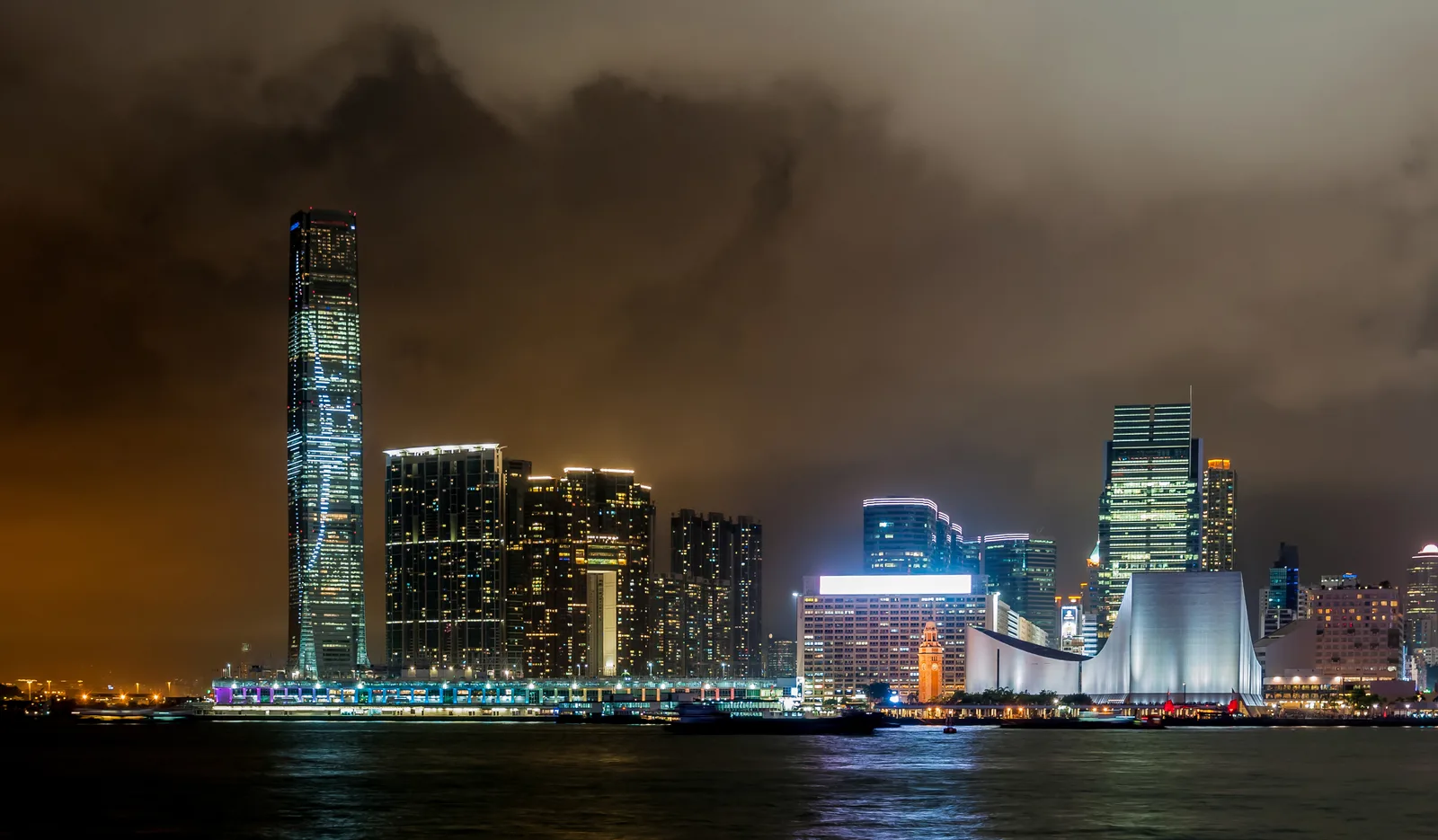
Hong Kong usually stages a night parade in Tsim Sha Tsui and fireworks over Victoria Harbour, with flower markets such as Victoria Park’s in the days before. Taipei’s Dihua Street runs a New Year goods market in the weeks before. Singapore lights up Chinatown, and Kuala Lumpur’s Thean Hou Temple is hung with red lanterns. In Bangkok, Yaowarat Road fills with street celebrations. The season ends with the Lantern Festival on Saturday, February 20, 2027, Taiwan’s big lantern night.
On the day
Eat big on New Year’s Eve and buy snacks before the first day. Book trains and domestic flights as soon as sales open, and hotels before December. Carry some cash for red envelopes and for the stalls that do open. Expect temples to be packed at midnight and on the first morning. Confirm holiday hours with any restaurant you plan around; posted hours rarely cover these days.