Which places were filmed, and in which film
Most of the Harry Potter films were shot in studios in England. Scotland supplied the big landscapes, almost all within an hour of Fort William. VisitScotland and the National Trust for Scotland are the sources for what follows.
| Place | Film | What you see there |
|---|---|---|
| Glenfinnan Viaduct | Chamber of Secrets, and the Hogwarts Express in later films | The flying car chases the train over the arches |
| Loch Shiel | Several films | The lake at Hogwarts |
| Steall Falls, Glen Nevis | Goblet of Fire | Triwizard Tournament landscape; Glen Nevis is also a Quidditch backdrop |
| Clachaig Gully, Glencoe | Prisoner of Azkaban | Hagrid’s hut was built here, five minutes from the Clachaig Inn |
| Rannoch Moor | Deathly Hallows Part 1 | The empty moor where the train is stopped |
Loch Eilt, on the A830 just west of Glenfinnan, is widely identified as the loch with the small island used for Dumbledore’s grave in the later films; VisitScotland’s main Harry Potter page does not cover it, so treat the details as fan record. Loch Arkaig, north of Spean Bridge, turns up on many lists for aerial lake shots, but no official source we found names the scene. Both are worth the drive for the scenery alone.
Filmed vs connected to the author
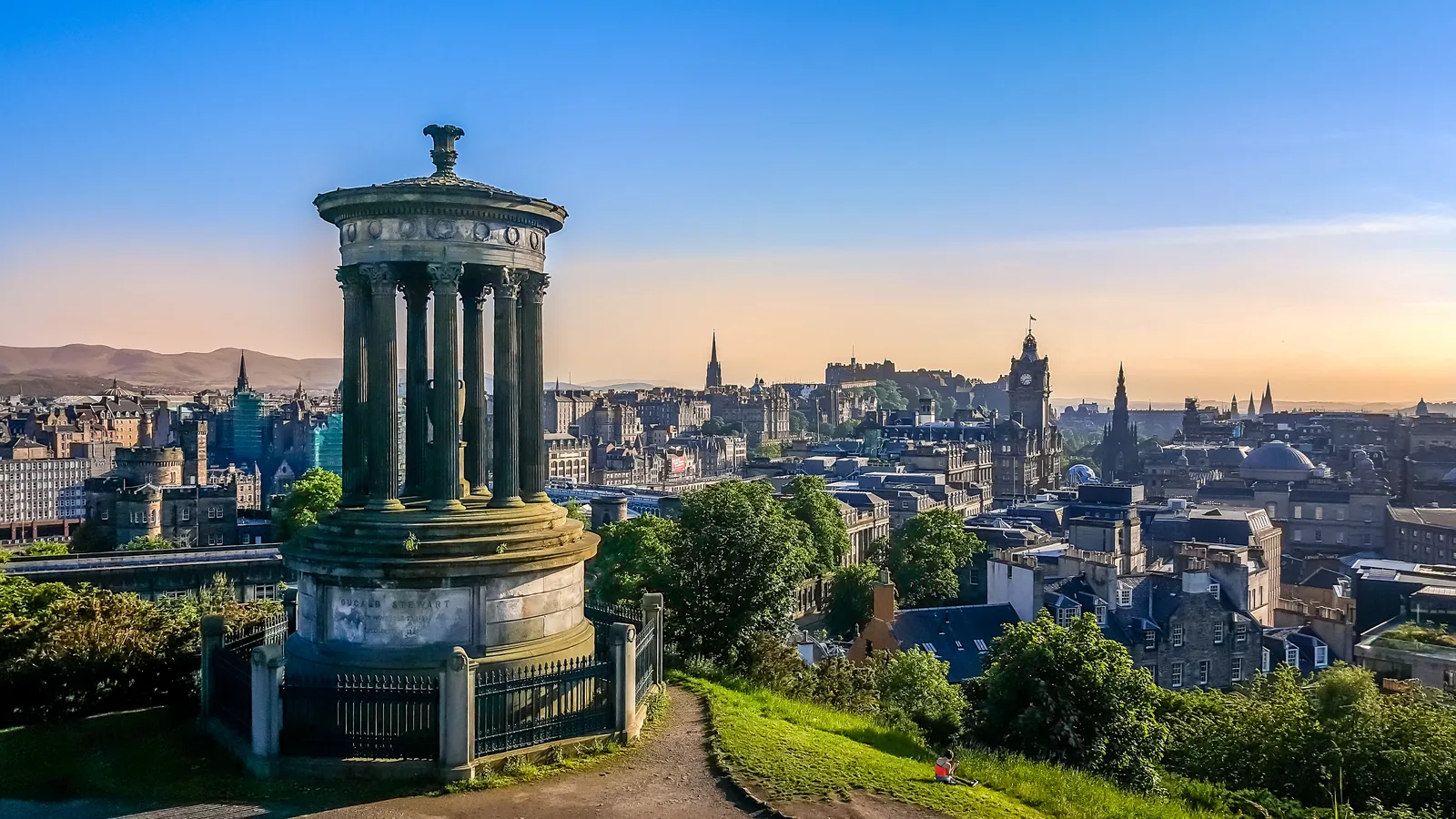
Edinburgh is where the books came from, not where the films were shot. VisitScotland calls the Elephant House cafe the “birthplace of Harry Potter” because J.K. Rowling wrote there in the 1990s. Greyfriars Kirkyard has gravestones whose names fans recognize, Victoria Street is often linked to Diagon Alley, and Rowling finished the last book at the Balmoral Hotel. None of these appears on screen. The Edinburgh Harry Potter guide covers them street by street.
The Jacobite and the viaduct
The Jacobite steam train of West Coast Railways is the train fans come for: Fort William to Mallaig and back over the viaduct. For 2027 the operator’s homepage gives morning departures daily from April 5 to October 29; bookings and fares are not out yet. The Jacobite tickets guide covers prices, classes and what went wrong in 2026, when the season started two months late.
You can also watch rather than ride. In summer 2026 the steam train crossed at about 10:45 and 15:10, with an extra pair of crossings in high summer, and ScotRail trains cross all year. The Glenfinnan Viaduct train times guide has the crossing times, the viewpoint paths and the £5 parking.
A three-day route from Fort William or Inverness
Getting to Fort William: from Inverness it is about two hours down the Great Glen on the A82, by car or Citylink bus, past Loch Ness. From Edinburgh or Glasgow, the West Highland Line crosses Rannoch Moor on the way, which ticks off the Deathly Hallows moor from the train window.
Day 1: Glenfinnan and Loch Eilt. Ride the Jacobite if you have a seat. If not, take the morning ScotRail train to Glenfinnan, about half an hour, walk the hillside path to the viaduct, and wait at the viewpoint for the steam train. Drive or take the bus a few miles on along the A830 to see Loch Eilt and its island. Glenfinnan’s visitor center sells the Monument climb for £5.
Day 2: Glen Nevis and Steall Falls. Drive to the end of the Glen Nevis road and walk the gorge path to the meadow below Steall Falls, under an hour each way on rough, rocky ground. Add Loch Arkaig in the afternoon if you have a car: a single-track road past Achnacarry, quiet and slow.
Day 3: Glencoe, then on. Head south on the A82 to Glencoe, 30 minutes from Fort William. Walk from the Clachaig Inn into the area where Hagrid’s hut stood, then cross Rannoch Moor toward Glasgow or Edinburgh, or turn back north to Inverness.
Two days works if you skip Glencoe or do it on the way out. Waystop’s Chat can build this into an Inverness or Edinburgh trip and move the train day if your Jacobite date changes.
On the day
Bring waterproofs and boots: the Glenfinnan hillside and the Steall gorge path are wet most of the year. Carry midge repellent from June to September. Book Fort William rooms early for July and August, when the Jacobite fills the town. Parking at Glenfinnan fills on summer days, so arrive early or come by train. Keep off railway tracks for a closer photo, and stay on the paths at every site; the locations are working hillsides, not film sets.