What the Harry Potter places in Edinburgh actually are
Edinburgh is where J.K. Rowling lived and wrote much of the series, not where it was filmed. The film locations are elsewhere in Scotland (the Glenfinnan Viaduct, Glencoe) and in England; see Harry Potter filming locations in Scotland. What the city has is a cluster of cafés, streets and graves that fans connect with the books. Some links are documented, some are guesses, and the walking tours do not always say which is which. This page does.
Everything here is in the Old Town and the east end of Princes Street, about two hours on foot. None of it needs a ticket. Nothing here is connected with the author or the film studio; the shops are independent.
The documented places
The Elephant House, George IV Bridge. The café says Rowling wrote in its back room, which looks at the Castle, and calls itself the birthplace of Harry Potter. It burned in August 2021 and stayed shut for over four years; it reopened on December 29, 2025, open daily 10 a.m. to 6 p.m. The restrooms covered in fans’ graffiti were the old draw; the rebuilt rooms are newer, so expect a café rather than a shrine.
Spoon, Nicolson Street. The first-floor café at 6a Nicolson Street was Nicolson’s Café in the 1990s, where Rowling wrote early chapters of the first book. It is now a café-bistro called Spoon. Listings disagree about its hours and one shows it closed, so check before you make the detour.
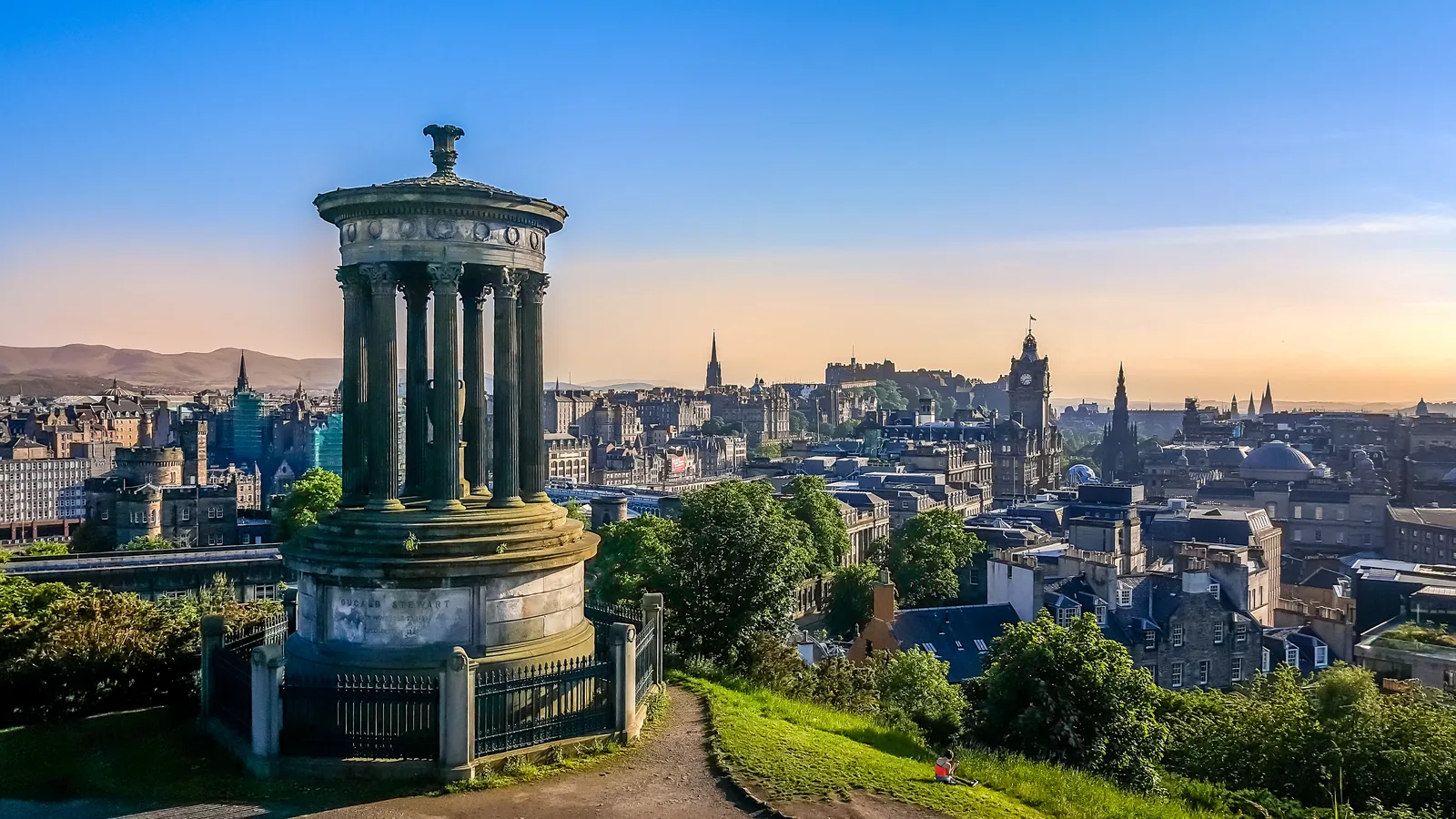
The Balmoral, 1 Princes Street. Rowling finished the last book in room 552 in January 2007, and the hotel now sells it as the J.K. Rowling Suite. It is a hotel room, not an attraction: unless you book it, you see the clock tower from the street and maybe have tea downstairs.
The places that are lore
Victoria Street is the curved, colored street that drops from George IV Bridge to the Grassmarket. It gets called the inspiration for Diagon Alley, but Rowling has never confirmed it. Several shops on it sell Potter merchandise. It is worth the walk anyway, best before 10 a.m. when it is empty.
Greyfriars Kirkyard is open 24 hours a day, every day, and free. Fans come for a gravestone naming Thomas Riddell (died 1806), and for the poet William McGonagall, who is buried here. That the names fed the books is a guess, not a fact. The kirkyard is a working burial ground owned by the City of Edinburgh Council: keep to the paths and do not lean on or rub the stones. Greyfriars Bobby’s statue is at the gate; the Kirk itself is free to enter but closes many days in August, when it is a Fringe venue.
George Heriot’s School is the turreted 17th-century building you see from the back of the kirkyard. Its four houses are said to have suggested Hogwarts’ four, which is again unconfirmed. It is a private school in use; there is no visiting.
A two-hour walk in order
Start at the Balmoral on Princes Street, climb Cockburn Street to the Royal Mile, and turn left onto George IV Bridge. The Elephant House is on the right. Continue to Greyfriars Bobby and the kirkyard gate; walk to the back wall for Heriot’s. Leave by Candlemaker Row, cross the top of the Grassmarket and climb Victoria Street, ending back on George IV Bridge. Nicolson Street is a ten-minute walk east past the National Museum of Scotland if Spoon is open.
The three-day Edinburgh itinerary passes Victoria Street on its last afternoon, so you can fold most of this into day 1 or day 3.
Walking tours
The Potter Trail runs free tours several times a day from 4 Greyfriars Place, beside the kirkyard. Book a place on its site; the guides work for tips. Paid private tours exist too. None of the tours is official, and a good guide will tell you which stories are confirmed.
On the day
Go early. Victoria Street and the Elephant House are quiet before 10 a.m. and solid from late morning in summer and all of August. Wear shoes with grip: the kirkyard paths and the closes are cobbled and slick after rain. Bring a card for the café and some cash or a card for a tour tip. Check the Kirk’s opening before you plan to go inside, and treat the kirkyard as the cemetery it is.