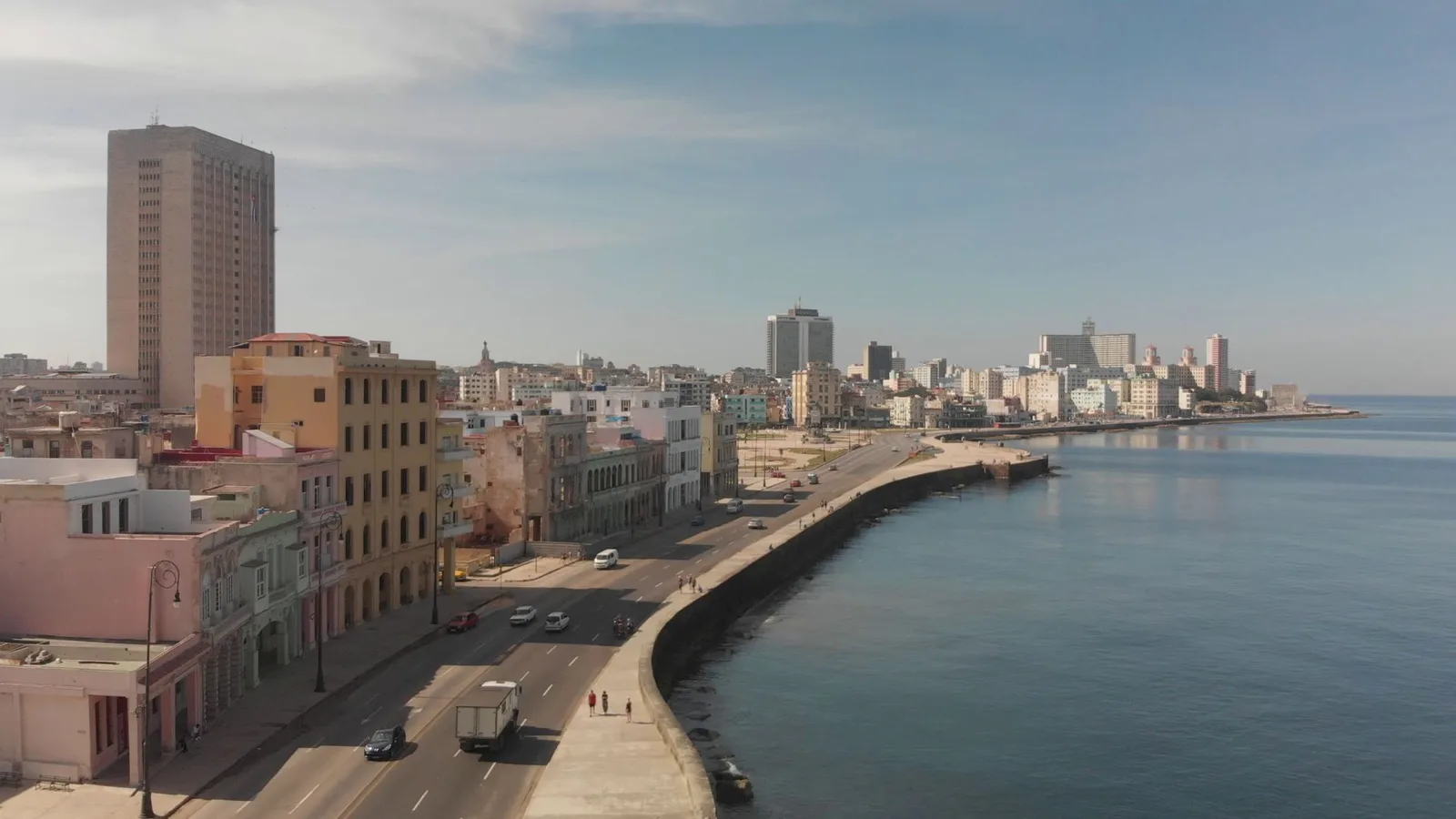
Three days that walk the four plazas of Habana Vieja, ride a 1950s convertible out to Vedado and Fusterlandia, and end on the Cabaña walls for the nine o'clock cannon. Written for the Havana of 2026, which runs on cash, patience and a casa host who knows when the power is on.
November to April is dry and 75 to 82°F (24 to 28°C), and the blackouts bite less when nobody needs a fan. December and the week of Easter are the busy, pricey weeks. May to October is hot, humid and stormy; August to October is hurricane season and the months when the power cuts run longest.
Where to base yourself
A casa particular, a licensed room in a family home, is how to stay: US$25 to 50 a night with breakfast, booked through Airbnb or by WhatsApp with the host. For US travelers it is also the only lodging that fits the rules, since the big state hotels sit on the US Prohibited Accommodations List. Ask three questions before you book: is there a generator or inverter, is there a water tank on the roof, and is there wifi. Habana Vieja puts everything on foot; Vedado is leafier, quieter and ten minutes by taxi.
Getting around
Walk Habana Vieja and Centro Habana; everything else is a taxi. Yellow state taxis and private cars quote in dollars (US$10 to 15 across town); agree the price before you get in and pay in pesos or dollars, whichever you agreed. Shared almendrones, the old American cars on fixed routes along Neptuno and Calle 23, cost a few hundred CUP a seat. Fuel shortages in 2026 mean fewer cars and firmer prices; your casa host's driver is the reliable option for the airport and the beach.
Start in the oldest square while the second-hand booksellers set up. The Palacio de los Capitanes Generales on its west side is the city museum, with the throne room Spain never used and the wooden street outside, laid so the governor would not hear the hooves.
Two squares five minutes apart down Oficios and Mercaderes: San Francisco has the basilica and the cruise terminal, Plaza Vieja the restored arcades and the camera obscura. Hustlers work both; a firm no gracias is the whole conversation.
Ten minutes north along Mercaderes to the baroque cathedral and the smallest of the four plazas. Step inside if the doors are open; the facade is worth a look either way.
In the dead-end Callejón del Chorro off the cathedral square, open daily from noon. Order the ropa vieja, the tostones rellenos and a frozen mojito, and arrive before one or put your name down and walk the alley.
Twenty minutes west along Obispo to the domed capitol, restored in 2019. Guided visits run on set days (listings say Tuesday to Saturday, around US$20), so ask at the ticket desk; the gold-leaf hall and the diamond in the floor are the reasons to go in.
The Gran Teatro Alicia Alonso runs short daytime tours of the auditorium and marble stairs when there is no rehearsal. Parque Central opposite is where the convertibles wait and the baseball arguments happen under the Martí statue.
Walk the marble promenade north under the laurels to the sea, then west along the Malecón wall as the city sits down on it. Sunset is around 6:30 p.m. in winter and after 8 p.m. in June.
Up the ruined staircase at Concordia 418 in Centro Habana, the paladar where Strawberry and Chocolate was filmed. Book days ahead on its website, expect US$40 or more a head in dollars or euros, and ask for the roof terrace.
A 30-minute taxi west to Jaimanitas, where José Fuster has tiled his house, his neighbors' walls and the bus stop in mosaic. It opens around 9:30 a.m., so leave at 9 a.m. to arrive first; agree a round trip with waiting, around US$30 to 40 per car.
Back east into Vedado, 20 minutes by taxi, to a huge cemetery of marble avenues, the firefighters' monument and the line of locals at La Milagrosa touching her tomb. Foreigners pay a small ticket at the Zapata gate, and a guide at the gate is worth it for an hour.
A ten-minute walk north to the Martí memorial tower, the Che on the Interior Ministry and the Camilo Cienfuegos opposite. Thirty minutes is enough, longer if the tower elevator is running (a separate ticket in CUP).
Ten minutes by taxi into Centro Habana, San Rafael 469, the paladar that fed the Obamas in 2016: the lamb San Cristóbal and malanga fritters in a room full of saints and clocks. Around 4,000 CUP a head; closed Sunday.
The Cuban building on Trocadero, three floors from colonial portraits to Wifredo Lam and the 1980s. Closed Monday and shut at 2 p.m. on Sunday; the Museo de la Revolución behind it has been under restoration, so check whether its rooms are open.
Pick a convertible on Avenida de las Misiones outside the museum or at Parque Central. The going rate is about US$40 per car for an hour, agreed before you sit down, looping the Malecón to the Hotel Nacional and back; ask to be dropped at the Nacional.
Walk through the lobby to the lawn above the Malecón for a mojito on the terrace as the light goes, among the peacocks and cannons. It is a state hotel on the US Prohibited Accommodations List, so US travelers cannot sleep there; a drink in the garden is not lodging.
Ten minutes by taxi to Calle 26 at 11, a rooftop paladar in an old cooking-oil factory chimney next door to Fábrica de Arte. Grilled fish and pork, open daily from noon to midnight in CUP; book, or arrive by 7:30 p.m. to sit upstairs.
Galleries, concerts, cinema and dance floors across the factory, normally Thursday to Sunday from 8 p.m. until around 2 a.m. and closed at times; it was reported shut temporarily in June 2026, so confirm it is open. The line is long by 10 p.m., so go straight from dinner; otherwise the Buena Vista veterans' show at El Guajirito on Zulueta is the swap.
Havana's beach, 25 km east: a 30 to 40 minute taxi at around US$30 each way, so agree a pick-up time. Swim early before the sun and the music arrive; if sand is not your thing, do the Morro and Cabaña now and come back for the cannon.
On a Sunday the alley of murals in Cayo Hueso fills for the rumba at noon, with drums and Santería dancers until about 3 p.m.; free, so tip the musicians. Day 3 works best on a Sunday, and on another day it is still worth a quiet look at the murals.
A 15-minute walk up past the university to Calle 13 between F and G: a farm-to-table paladar with its own finca and fresh pasta, open Sundays, with prices posted in dollars. On a weekday, San Cristóbal (day two) is the closer choice.
A 20-minute taxi through the harbor tunnel. Climb the Morro lighthouse for the whole city across the water, then walk ten minutes to the Cabaña, the largest Spanish fort in the Americas, with separate tickets at each gate in CUP.
Ten minutes back through the tunnel to Mercaderes 207, up the stairs strewn with petals, where a trio plays son and boleros. Pork in plum sauce and the seafood platter, around 10,000 CUP a head; tell them you are leaving by 8:30 p.m..
Back across the tunnel to the Cabaña, where soldiers in 18th-century uniform march the ramparts by torchlight and fire the cannon at 9 p.m.. Be inside by 8:40 p.m.; there is a separate evening entry ticket, and yes, you cross the tunnel twice.
Loading the map…
Pins are approximate. Tap one for the stop; the directions links open Google Maps.
The practical bits
From the airport
José Martí airport (HAV) is 20 km south-west of the center; flights from the United States use Terminal 2, most other international flights Terminal 3. A taxi to Habana Vieja or Vedado takes 30 to 45 minutes and costs US$25 to 35, agreed before you get in and payable in dollars or euros; your casa host will send a driver for about the same, which is the easier arrival after dark in a blackout. The CADECA desk in the arrivals hall changes cash at the official floating rate; ATMs there do not take US cards.
What a day costs
About US$80 to 120 a day per person in cash for a paladar lunch and dinner, museum tickets, a couple of taxis and a mojito; La Guarida, the classic car (US$40 per car) and a show night add US$40 to 80. Carry at least a third more than you plan to spend, because there is no way to get more.
Where to stay
Habana Vieja
The four plazas, the paladares and the hustle. Everything on foot and the best casas, but noisy until late and the first place the touts look for you.
Vedado
Leafy avenues, 1950s apartment blocks, the Hotel Nacional, Fábrica de Arte and most of the good restaurants. Quieter, cheaper rooms, ten minutes by taxi from the old city.
Centro Habana
Between the two, crumbling and alive: La Guarida, the Callejón de Hamel and the Malecón at your door. The cheapest casas and the longest blackouts.
Got a day to spare?
Viñales
Tobacco farms, limestone mogotes and a cave river, three hours west. A shared colectivo taxi from Habana Vieja runs about US$30 to 40 a seat each way; the Viazul bus is cheaper when fuel allows. Leave at seven and you are back for dinner, or stay the night in a casa.
Las Terrazas and Soroa
A reforested biosphere reserve and an orchid garden an hour west in the Sierra del Rosario. Swim at the Baños de San Juan, eat at a terrace over the lake; a private taxi for the day is around US$80 to 100 per car.
Matanzas and the Bellamar caves
The port city of poets 90 minutes east, with the cave system beyond it and Varadero's beach on the way back. Taxi for the day or the Viazul bus to Varadero and a local taxi from there.
Worth knowing
Bring every dollar or euro you will spend, in small clean notes, and declare anything above US$5,000. A 100 note is hard to break, and there is nowhere to get more cash once you are there.
Visa and Mastercard payments stopped working in Cuba on June 6, 2026, after a processor pulled out under new US sanctions, and Cuba's central bank and Canada's travel advice say it covers cards from any country. Cash, Cuban prepaid cards and MIR or UnionPay cards were said to still work, so check the latest before you fly and plan on cash.
Change money through your casa host, never on the street, and check eltoque.com for the day's rate. The official CADECA rate is far lower than the informal one, so changing a little there is legal but costs you.
Expect the power to go. The national grid has collapsed several times in 2026, and between collapses Havana gets scheduled cuts that can run many hours a day. When the power stops the water pumps stop too, so book a casa with a generator and a roof tank and pack a power bank, a head torch and offline maps.
The shops are empty of what you take for granted. Carry your own painkillers, stomach medicine, antihistamines, sunscreen, insect repellent and a few snacks, and leave what you do not use with your host.
US citizens travel under the Support for the Cuban People category (31 CFR 515.574), which stayed after OFAC ended group people-to-people trips on September 30, 2026. It needs a full-time schedule of casas, paladares, private guides and artists, no dealings with entities on the Cuba Restricted List (indirect ones too since September 30), and no nights at properties on the Prohibited Accommodations List; keep your itinerary and receipts, and check OFAC's Cuba page before you book.
Everyone needs the Cuban e-visa (evisacuba.cu, single entry for up to 90 days) since the paper tourist card ended on July 1, 2025. The fee depends on where you buy it; flying direct from the United States, the airline sells it with the ticket for roughly US$50 to 100.
Everyone also files the D'Viajeros form at dviajeros.mitrans.gob.cu within the seven days before you arrive and shows the QR code at check-in and immigration. Non-US passport holders should know that a Cuba stamp since 2021 ends ESTA eligibility, so you will need a US visa for later trips to the States.
Things you can ask once it’s in the app
Plans change. Ask Chat and it proposes a reshuffled day you can apply, or just answers the question.
Which casas in Habana Vieja have a generator and a water tank?What can we do on Monday when Fábrica de Arte and the Bellas Artes are closed?How much cash should two of us bring for three days, in euros?Is the Hotel Nacional terrace allowed under the Support for the Cuban People rules?Can day 3 skip the beach and spend more time in Centro Habana?
Questions
Is Havana safe to visit in 2026?
Violent crime against visitors is rare and the hustle is verbal. The hard parts are logistics: cash only, power cuts of many hours, water that depends on the pump, and shortages of medicine and fuel. Travelers who book a casa with a generator, carry what they need and keep a flexible schedule have a good trip; those expecting a resort do not.
Do I use pesos, dollars or euros?
All three. Paladares and taxis quote in dollars and take euros at a fair rate; markets, buses, museums and most small purchases are in CUP. Change a little at the airport CADECA for the first taxi and the tickets, then have your host change more at the street rate. Dollars and euros in small notes go furthest; a 100 note is hard to break.
Which day works in the rain?
Day two, with the museums, the cemetery and the car (the convertibles have roofs and the drivers raise them). Move the beach to a dry day and keep the Cabaña, which has arcades to shelter under for the cannon; Waystop's Chat can build that as a rain plan you switch to.
What if the Fábrica de Arte is closed?
It normally opens Thursday to Sunday, takes breaks between seasons and was reported closed temporarily in June 2026. On other nights the Buena Vista Social Club veterans play El Guajirito on Zulueta 658 every evening from 9:30 p.m., from about US$36 with three drinks, or ask your host for the week's live music at Casa de la Música in Miramar.
Add your dates, your hotel and who’s coming, then ask Chat to change anything: it proposes the edit and you tap Apply. Want a long lunch instead of a museum? Just ask. Every place is checked against Google Maps before it lands on your day, and Chat can tell you when to leave for the next stop. Going on to another city? Build a multi-city trip.