The visa. Most nationalities get a visa on arrival at Tribhuvan: US$30 for 15 days, US$50 for 30, US$125 for 90, paid in cash dollars at the bank counter. Fill in the arrival form at nepaliport.immigration.gov.np within 15 days of flying and keep the barcode receipt; a dozen nationalities must apply at an embassy instead.
Three tickets, one trick. Each old royal square is ticketed separately for foreigners: Rs 1,000 at Kathmandu Durbar Square with the palace museum, Rs 1,000 at Patan with the Patan Museum, Rs 1,800 at Bhaktapur for the whole old town. Take the ticket and your passport to the site office and it is extended for free, to the length of your visa or a week at Bhaktapur; it is never offered, so ask.
The air. November to March is the dust season: dry roads, brick kilns and traffic put the valley among the most polluted cities in the world. A mask rated N95 or FFP2 is worth carrying for taxi rides and the Ring Road, and the clearest hours are before 10 a.m.
Power, water and cash. Outages still happen and hotels run on inverters, so charge at night. Tap water is not drinkable; refill from the hotel filter or carry a filter bottle. Everything is cash. ATMs give around Rs 25,000 to 35,000 per withdrawal with a fee of about Rs 500, so take the maximum each time.
Taxis. Small, everywhere, and the meter is rarely used; agree the fare first or book through Pathao or inDrive. Rs 300 to 800 covers rides within the city. From the airport use the prepaid counter, about Rs 1,000 to Thamel; app cars cannot enter the airport.
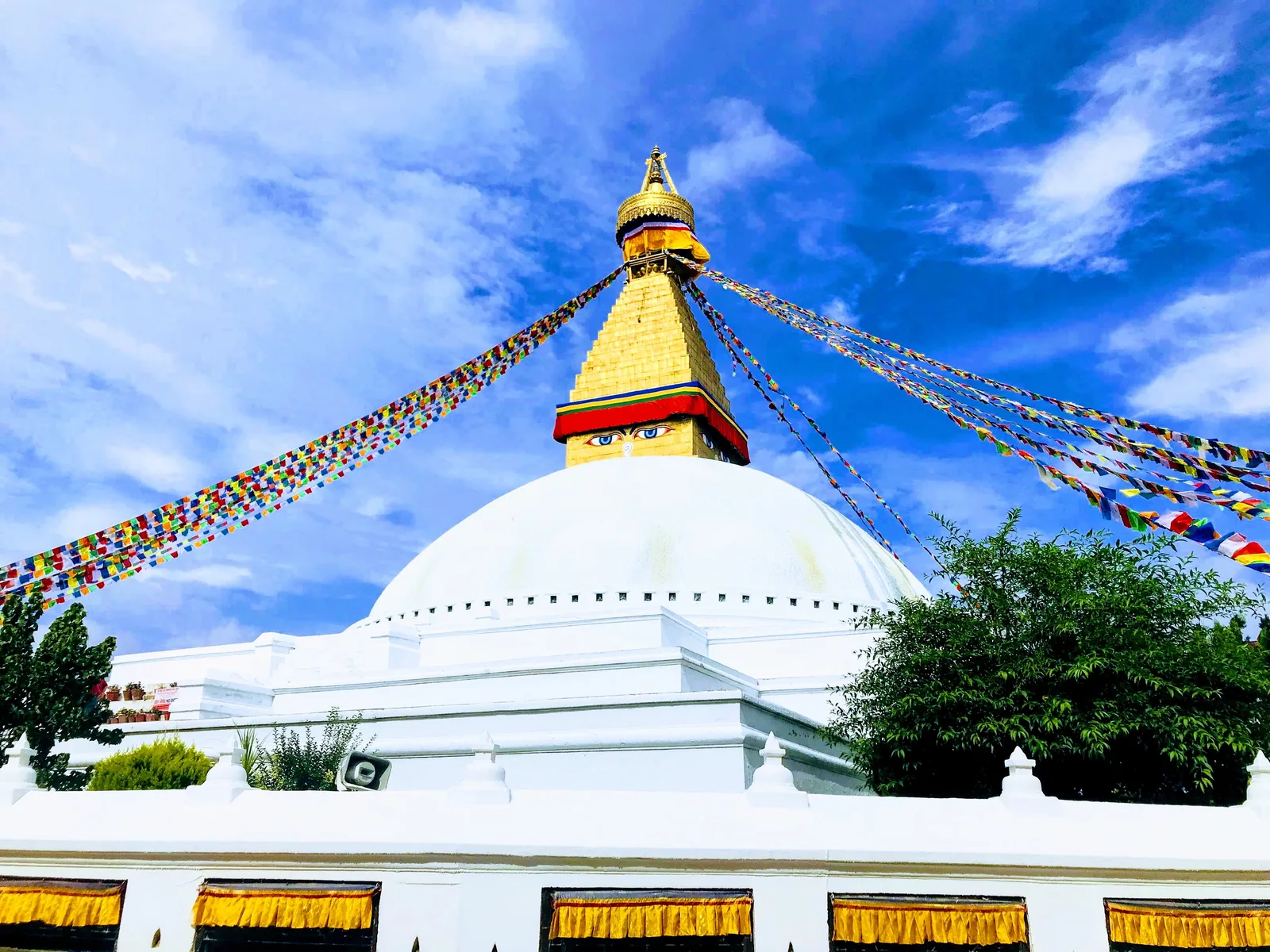
Temple rules. Pashupatinath’s main temple is for Hindus only; everyone else crosses the Bagmati to the east bank terraces. Cremations burn on the ghats below: stay back, keep the camera down, never photograph the mourners. At Boudhanath walk the kora clockwise, shoes off on the stupa’s own steps and off the thresholds. Scaffolding from the 2015 earthquake still stands on a few Patan temples and the palace’s east side.
Going higher. Permits change often: Annapurna’s conservation area permit is Rs 3,000 and the Everest side has replaced the TIMS card with a Sagarmatha park fee and a Khumbu municipality fee. A licensed guide has officially been required for solo trekkers in the parks since 2023, so confirm with a registered agency the week you go.
On the day. Carry rupees in small notes, your passport for the ticket extension and a mask for the taxi. See the squares before 10 a.m. and the museums after, and let Waystop’s hours check flag any stop that lands after closing.